
How do PPF and vinyl film differ?
PPF is mainly intended to protect paint against chips and minor damage. Vinyl film mainly changes the appearance of the car: its colour, texture or finish.
We choose the film to suit your goal. Choose vinyl when appearance is your main priority. Clear PPF suits those who want to protect the original paint. Coloured PPF combines protection with a new colour.
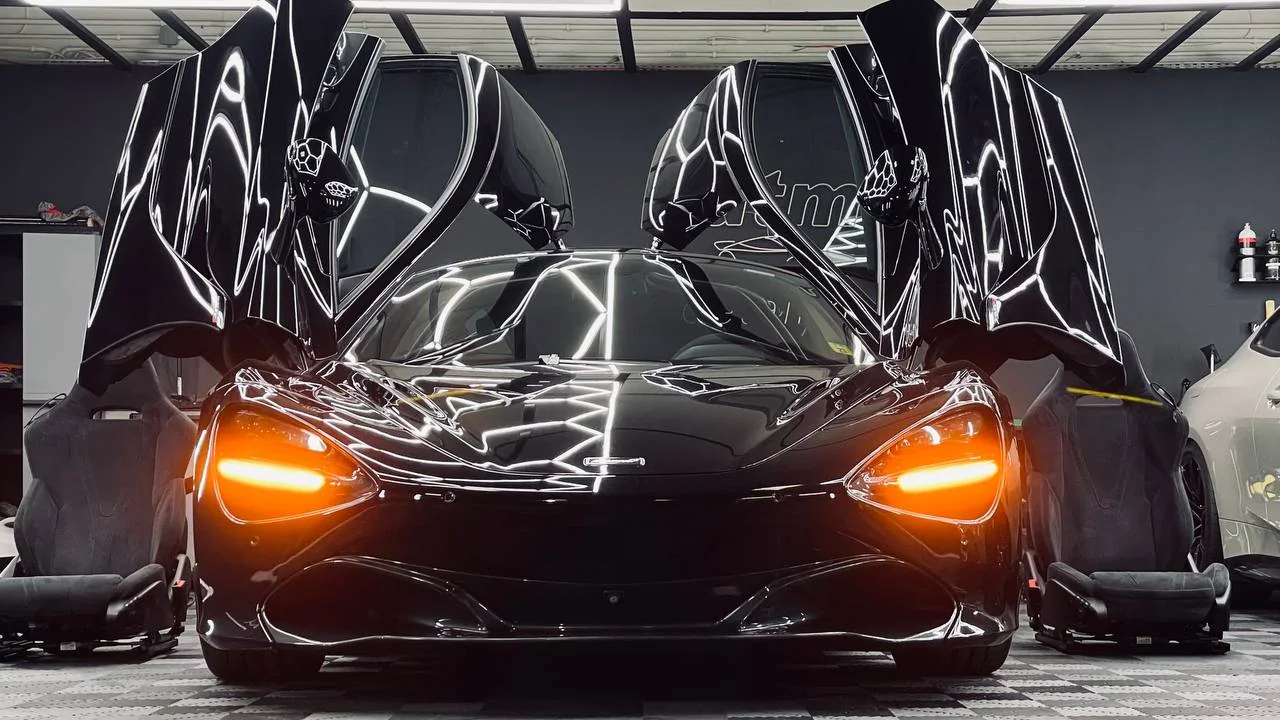
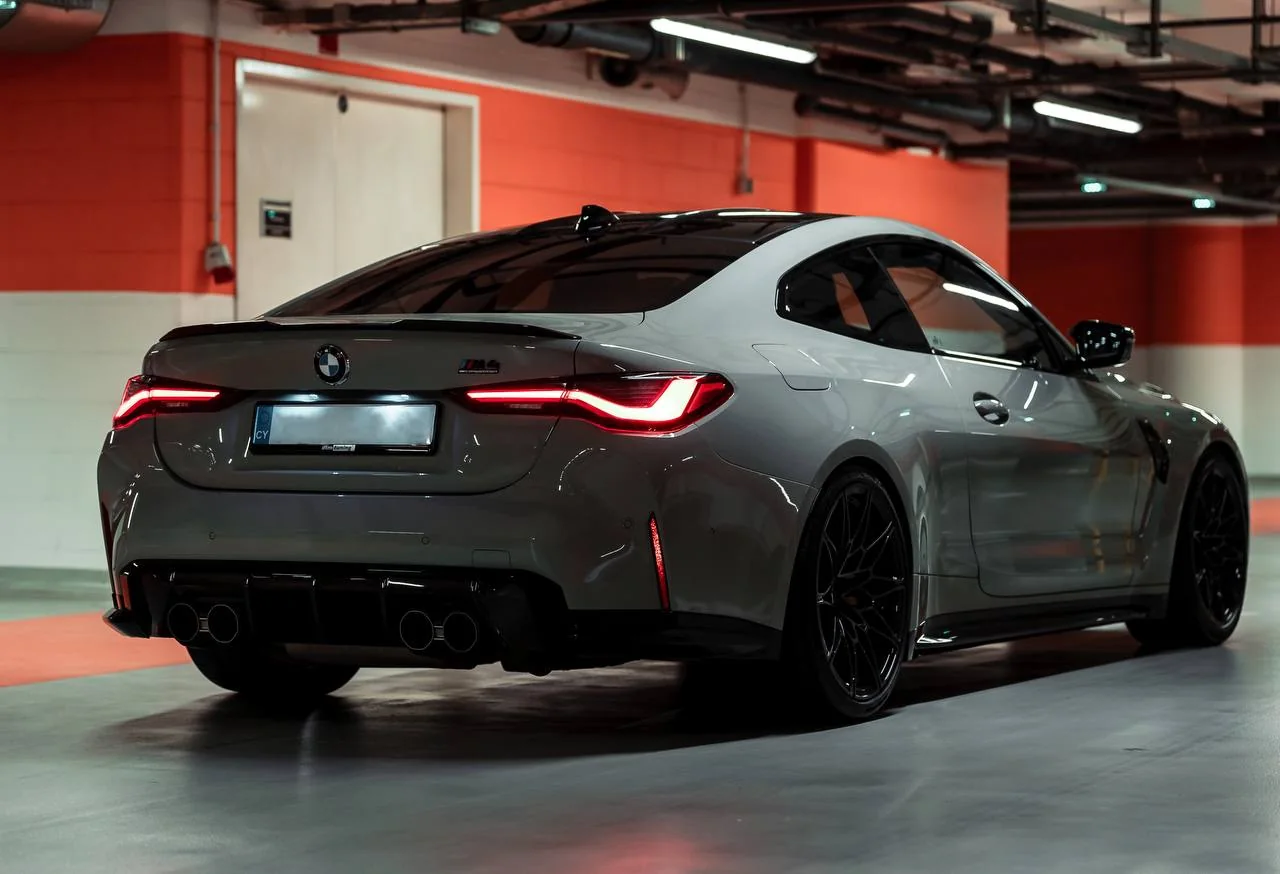
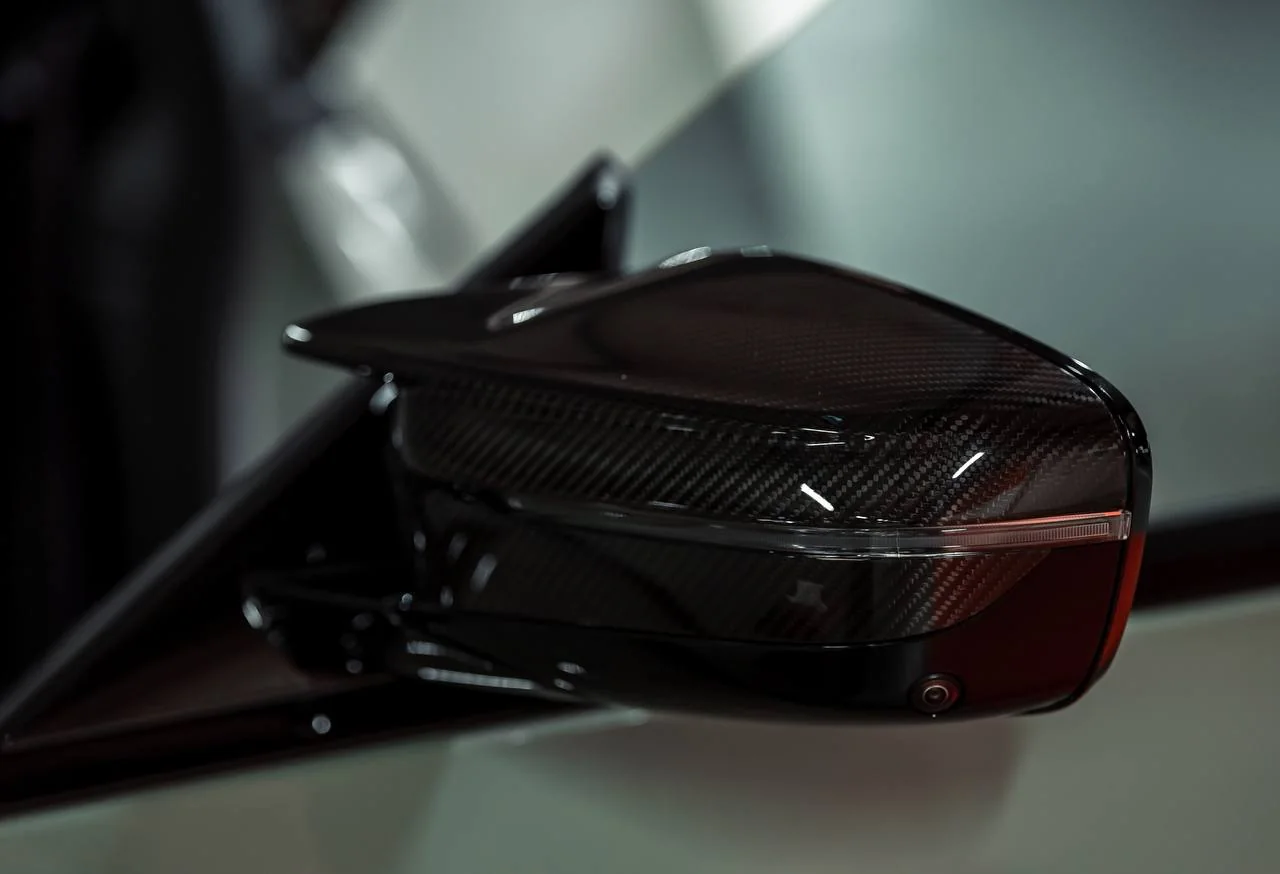
Vinyl film is mainly used for styling. It changes the colour, texture and character of a car without repainting the bodywork. It is a good choice when appearance matters more than maximum protection against mechanical damage.
Gloss, matt and satin finishes are available depending on the collection. We confirm the specific colour and finish before the work begins.
Clear PPF primarily protects paint against stone chips, minor scratches and everyday mechanical damage. It preserves the factory colour and can cover selected areas or a larger part of the bodywork.
We most often use a gloss finish. Clear PPF in matt or satin is available in selected materials.
Coloured PPF combines the protective properties of polyurethane film with a change of colour. It suits owners who want to protect their paint and achieve a different appearance from the factory finish.
Colour ranges and finishes vary by manufacturer. Gloss, matt or satin options may be available depending on the range. We confirm the choice after selecting the specific material.
PPF can cover only selected panels, such as the front of the car. It is a sensible option when you want to protect areas most exposed to chips and small stones.
The coverage should suit how you use the car, your annual mileage and the level of protection you want.
With wider coverage, paint condition, panel shape and edge finishing all matter. Film should be applied to the best-prepared surface possible, so refreshing or correcting the paint before wrapping can be worthwhile.
We confirm the full project scope after inspecting the particular car.
Film can change the colour and texture of dashboard, console and door trim. Alongside the visual effect, it protects the surface against minor scratches and wear.
Various finishes are available, including carbon, wood and metal effects, as well as matt and gloss surfaces.
Cabin screens are among the most frequently touched surfaces in a car. Protective glass reduces the risk of scratches and helps keep the screen in good condition for longer.
Choose vinyl if changing the colour or finish matters most. Choose clear PPF to protect the factory paint without changing its colour. Coloured PPF makes sense when you want both protection and a new appearance.
A finish is not exclusive to one type of film. Gloss, matt and satin are available depending on the collection. Before starting, we confirm the material, colour, finish and coverage for the particular car.
PPF is mainly intended to protect paint against chips and minor damage. Vinyl film mainly changes the appearance of the car: its colour, texture or finish.
Not always. Film leaves underlying defects visible, so we assess the paint first. We then establish whether the surface needs preparation alone or correction too.
Yes. It can cover only the most exposed parts, such as the front, or a larger area of the bodywork.
Both change the car’s appearance, but coloured PPF also protects the paint through the properties of polyurethane film. Vinyl is mainly for styling and provides less protection against mechanical damage.
With a discussion about how the car will be used and which panels are most exposed to damage. The paint should also be inspected before wrapping, because even a new car can have minor imperfections.
Describe your car and the service you are interested in. We will check whether we can carry it out and reply with the next steps.